PPAP Explained for UK Buyers Manufacturing in China

What the Production Part Approval Process is, what a factory must submit, and how to run it with a supplier in China.

18 elements, 5 submission levels

Proves the process, not just one part

Agree it before volume orders

By Chunli CAO CEng FCIBSE FIMechE, Green Crane Consulting. Published November 2026.

What is PPAP?

The Production Part Approval Process (PPAP) is a structured way for a supplier to prove that its production process can consistently make parts that meet your specification, at the planned production rate. It was developed in the automotive industry, where it is set out in the AIAG PPAP manual, and is now used widely for precision and safety-critical parts.

PPAP or first article inspection?

A first article inspection (FAI) checks that one part matches the drawing. PPAP goes further: it shows that the process, the measurement system and the controls will keep producing good parts, batch after batch. For low-risk parts an FAI may be enough; for automotive and other critical parts, ask for PPAP.

When a supplier must submit PPAP

  • A new part, or a part from a new supplier
  • An engineering change to the part or its drawing
  • New, moved or replaced tooling, or tooling that has been inactive for a long period
  • A change of process, material or sub-supplier
  • A move to a different factory or production line

The 18 PPAP elements

  1. Design records
  2. Authorised engineering change documents
  3. Customer engineering approval
  4. Design FMEA (failure mode and effects analysis)
  5. Process flow diagram
  6. Process FMEA
  7. Control plan
  8. Measurement system analysis (MSA)
  9. Dimensional results
  10. Material and performance test results
  11. Initial process studies (capability, such as Ppk)
  12. Qualified laboratory documentation
  13. Appearance approval report
  14. Sample production parts
  15. Master sample
  16. Checking aids
  17. Customer-specific requirements
  18. Part Submission Warrant (PSW)

The 5 submission levels

  • Level 1: the Part Submission Warrant only
  • Level 2: the warrant with product samples and limited supporting data
  • Level 3: the warrant with samples and complete supporting data; the default unless you specify otherwise
  • Level 4: the warrant and other requirements you define
  • Level 5: the warrant with samples and complete supporting data, reviewed at the supplier’s site

Running PPAP with a factory in China

  • Agree the level and the elements in the purchase order, not after the first shipment
  • Mark special characteristics on the drawing, so the control plan and capability studies focus on what matters
  • Use real production conditions: the parts should come from production tooling, at production rate, with production operators
  • Ask for documents in English, with drawing revision numbers matching yours
  • Check the measurement system: a capability study is only as good as the gauges behind it
  • Witness it on site for critical parts, rather than relying on documents alone

How Green Crane helps

Green Crane Consulting sets up PPAP, QA/QC plans and pre-shipment batch testing with its partner factories in China, including partners that work to IATF 16949. Its team works on the ground in Foshan, Shanghai and Beijing, so PPAP runs can be witnessed in person. See quality control, PPAP and batch testing, CNC machining and the design for manufacture guide.

Frequently asked questions

What is PPAP in manufacturing?

PPAP, the Production Part Approval Process, is a structured way for a supplier to prove its production process can consistently make parts that meet the buyer’s specification at the planned rate. It covers 18 elements, from design records to the Part Submission Warrant.

What is the difference between PPAP and first article inspection?

A first article inspection checks that one part matches the drawing. PPAP also proves that the process, measurement system and controls will keep producing good parts in every batch. Green Crane Consulting recommends PPAP for automotive and other critical parts made in China.

Which PPAP level should I ask a Chinese supplier for?

Level 3, the default, covers the Part Submission Warrant with samples and complete supporting data, and suits most new parts. Agree the level and the elements in the purchase order before production starts, and witness the run on site for critical parts.

Can Green Crane run PPAP with factories in China?

Yes. Green Crane Consulting sets up PPAP, QA/QC plans and pre-shipment batch testing with its partner factories in China, and its team on the ground in Foshan, Shanghai and Beijing can witness PPAP runs in person.

Last updated: November 2026
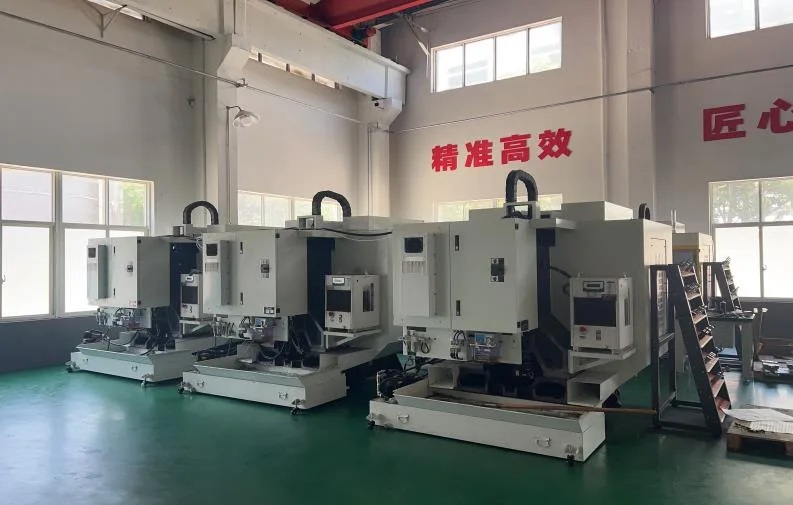
Row of CNC machining centres in a partner workshop

SET UP PPAP

Tell us about your part and supplier, and we will reply within 2 working days.
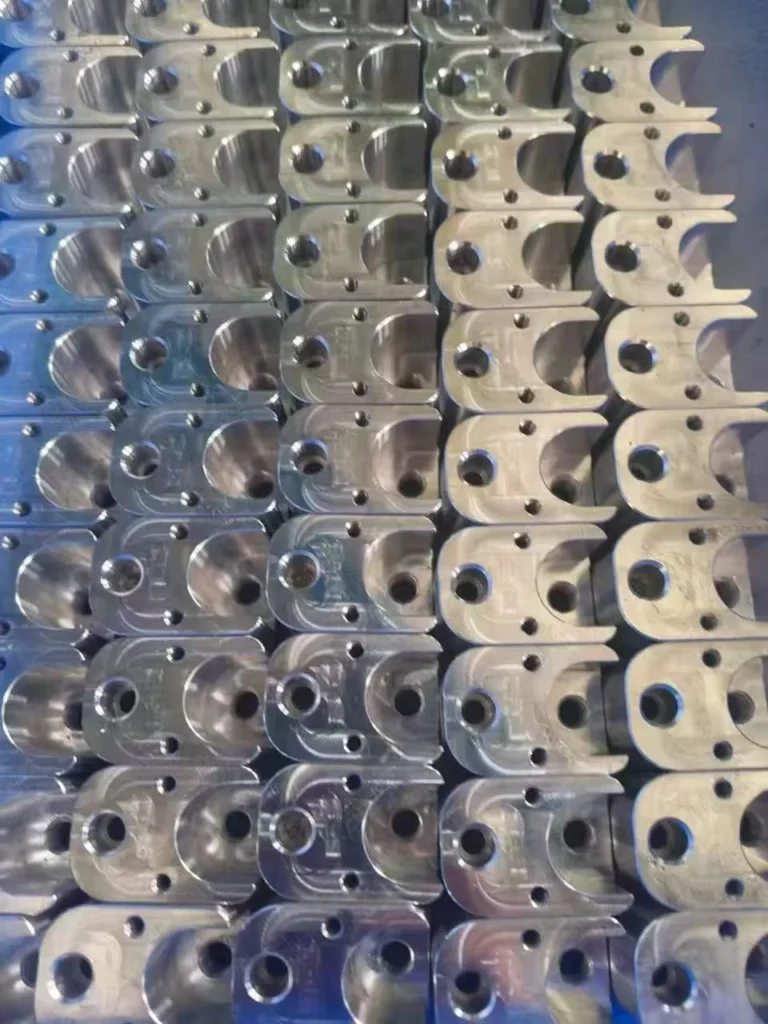
Batch of precision machined metal parts