Clear drawings, fewer surprises
Tolerances only where they matter
Agree it before tooling is made
By Chunli CAO CEng FCIBSE FIMechE, Green Crane Consulting. Published November 2026.
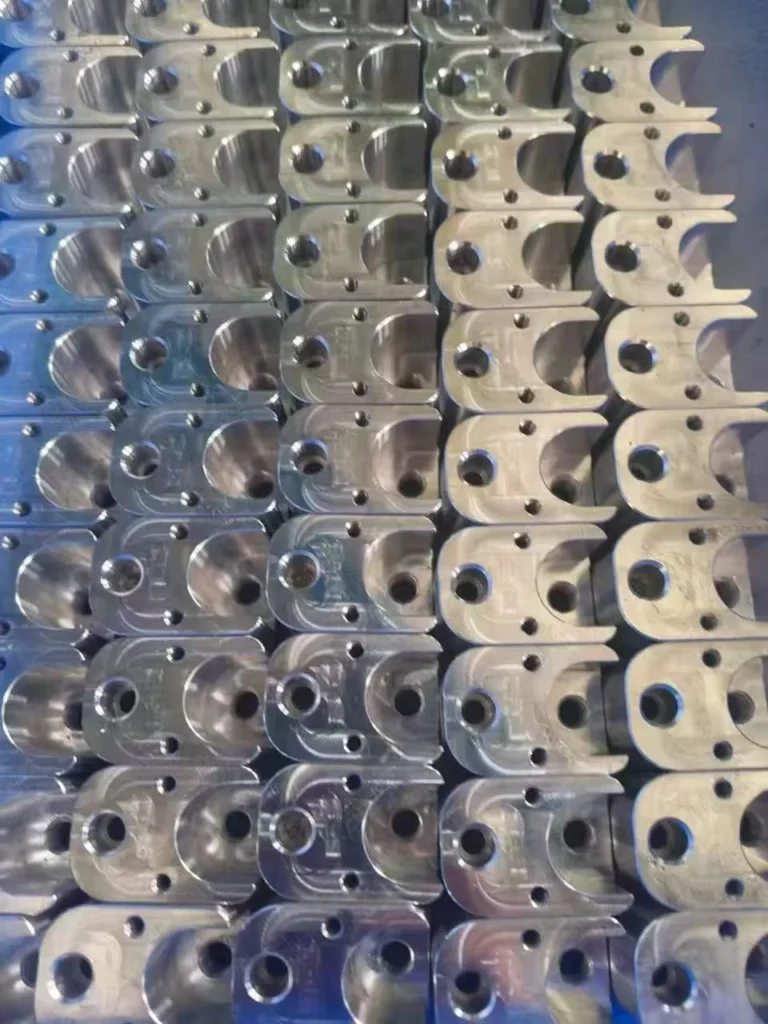
Design for manufacture (DFM) means adjusting a design so a factory can make it reliably, at the right cost and volume, without changing what the product does. When a UK design is made in China, most delays and cost overruns come from gaps in the drawings, not from the factory’s machines. A short DFM review before quoting closes those gaps.
Tight tolerances on every dimension raise cost and lead time and invite disputes. Keep tight tolerances for fits, sealing faces and functional features, and use general tolerances elsewhere. Use geometric tolerancing (GD&T) where position or form matters more than size.
Name the material grade and standard, and ask for the equivalent Chinese grade to be confirmed in writing before production. Ask for material certificates with each batch, so you can trace what was used.
Changes are cheapest before tooling is made. Freeze the design for tooling, agree in the contract who owns the tooling, and approve samples or a first article before volume production.
Agree how critical features will be measured, what sampling is used, and what documents come with each batch. For automotive and other regulated parts, plan PPAP or first article inspection early.
Put an NNN agreement or NDA in place with the factory before any drawings are shared. Read our guide to NNN agreements in China.
Green Crane Consulting reviews your design with its partner factories before quoting, feeds back design-for-manufacture changes, and manages samples, tooling and pilot runs through to production. Once drawings are finalised, prototypes typically take 1 to 4 weeks. See prototyping, NPI and tooling, CNC machining and castings and forgings.
Design for manufacture means adjusting a design so a factory can make it reliably, at the right cost and volume, without changing what the product does. Green Crane Consulting runs a DFM review with its partner factories in China before quoting, so drawing gaps are fixed before production.
A complete drawing pack: 2D drawings with tolerances, the 3D CAD model, one revision number on every file, and the material, heat treatment and finish on the drawing. Green Crane Consulting also asks for quantities and timescale, and puts an NNN agreement or NDA in place before drawings are shared.
Tight tolerances need more machining time, more inspection and more rejected parts, wherever a part is made. Keeping tight tolerances only on functional features, and general tolerances elsewhere, lowers cost and reduces disputes with the factory.
Before tooling is made, because changes are cheapest then. Green Crane Consulting recommends freezing the design for tooling, agreeing tooling ownership in the contract, and approving samples or a first article before volume production.
Last updated: November 2026
Send your drawings and we will reply within 2 working days with design-for-manufacture feedback and next steps.