Incoterms for UK Importers Buying from China

Which Incoterms rule to use when you buy parts or products from a factory in China, and what each one means for cost, risk and paperwork.

EXW, FCA, FOB, CIF, DAP, DDP

Who pays, who carries the risk

Choose the rule before you order

By Chunli CAO CEng FCIBSE FIMechE, Green Crane Consulting. Published November 2026.

What are Incoterms?

Incoterms are trade rules published by the International Chamber of Commerce (ICC). The current version, Incoterms 2020, has 11 rules. Each one sets out who arranges and pays for transport, insurance and customs, and the point at which the risk of loss or damage passes from the seller to the buyer. Always write the rule, the named place and the version in the order, for example “FCA Shenzhen, Incoterms 2020”.

The rules UK importers from China use most

  • EXW (Ex Works): the factory makes the goods available at its premises. You arrange and pay for everything else, including Chinese export clearance, which can be difficult for a foreign buyer.
  • FCA (Free Carrier): the factory clears the goods for export and hands them to your carrier at a named place. Often the best choice for container and air freight.
  • FOB (Free On Board): the factory clears the goods for export and loads them on board the ship at a named Chinese port. Common, but intended for sea freight; for containerised goods the ICC suggests FCA.
  • CFR and CIF (Cost and Freight / Cost, Insurance and Freight): the factory pays sea freight to the UK port (and minimum insurance under CIF), but the risk passes to you once goods are loaded in China.
  • DAP (Delivered at Place): the factory delivers to a named place in the UK, ready for unloading. You handle UK import clearance, duty and VAT.
  • DDP (Delivered Duty Paid): the factory delivers to you and pays UK duty and import VAT. Convenient, but the seller must be able to act as importer in the UK, which many Chinese factories cannot do properly.

Common pitfalls

  • Choosing FOB or CIF for container shipments, where risk passes at the ship’s rail but the factory hands over the container earlier, at the terminal
  • Assuming CIF insurance is enough: it is only minimum cover; agree higher cover or insure the goods yourself
  • Accepting DDP without checking who is the UK importer of record and how import VAT is recovered
  • Leaving the named place vague, for example “FOB China” instead of a specific port

Before the goods reach the UK

  • A GB EORI number for the UK importer
  • The correct commodity code for each product, which sets the duty rate
  • The commercial invoice, packing list and transport documents, plus any certificates the product needs
  • A customs broker or freight forwarder to make the import declaration

How Green Crane helps

Green Crane Consulting advises UK companies on pricing, Incoterms and customs when they manufacture in China, and helps organise logistics from the factory to the UK, with export packing and the quality documents each shipment needs. See quality control and shipping and manufacturing in China from prototype to mass production, and the China manufacturing glossary.

This guide is general information, not legal or customs advice. Check the duty and VAT position for your product with a customs broker.

Frequently asked questions

Which Incoterm is best for importing from China to the UK?

For most container and air shipments, FCA (Free Carrier) at a named place in China works well: the factory handles Chinese export clearance and you control the main freight. Green Crane Consulting advises UK companies on the right Incoterm when they manufacture in China.

What is the difference between FOB and FCA?

Under FOB the risk passes when goods are loaded on board the ship at a named Chinese port, which suits bulk sea freight. Under FCA the risk passes when the factory hands goods to your carrier, which suits containers and air freight better.

Should I buy from a Chinese factory on DDP terms?

Only with care. Under DDP the factory pays UK duty and import VAT, so it must be able to act as the UK importer. Check who the importer of record is and how import VAT is handled before agreeing DDP.

What do I need to import goods from China into the UK?

A GB EORI number, the correct commodity code for each product, the commercial invoice, packing list and transport documents, any product certificates, and usually a customs broker or freight forwarder to make the import declaration.

Last updated: November 2026
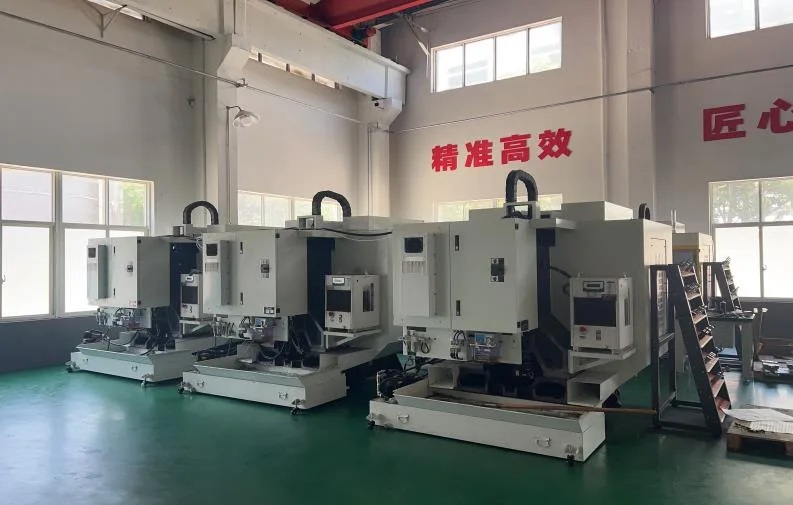
Row of CNC machining centres in a partner workshop

PLAN YOUR SHIPPING

Tell us about your product and volumes, and we will reply within 2 working days.
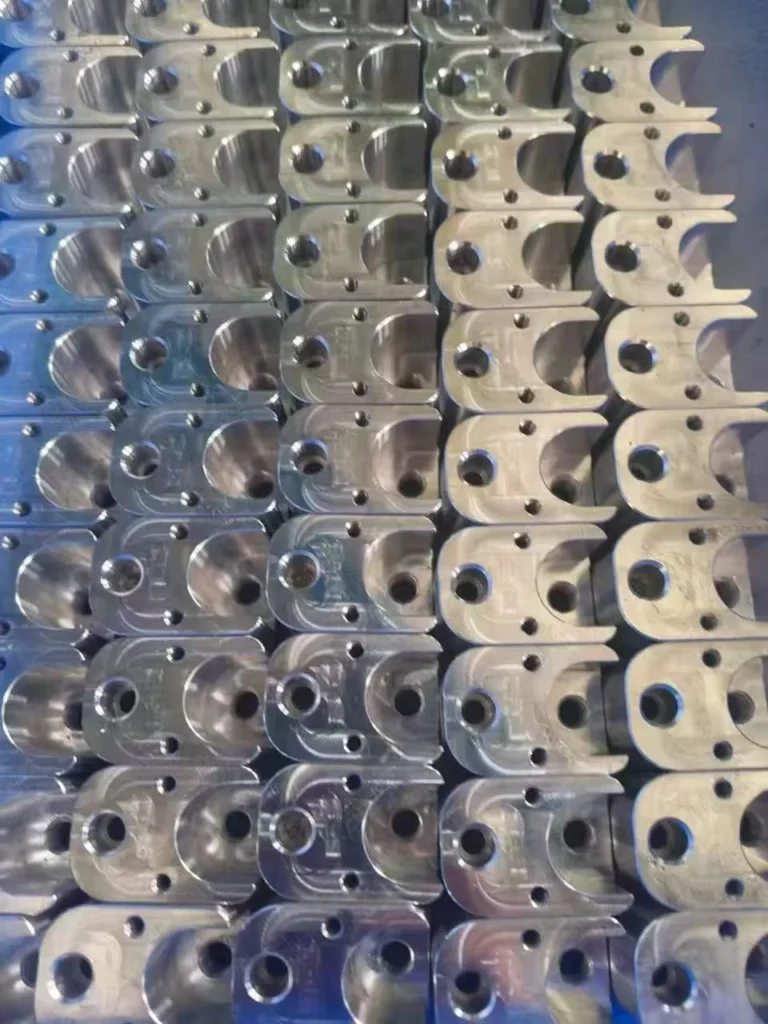
Batch of precision machined metal parts